
Understanding Medicaid Work Rules in Disasters
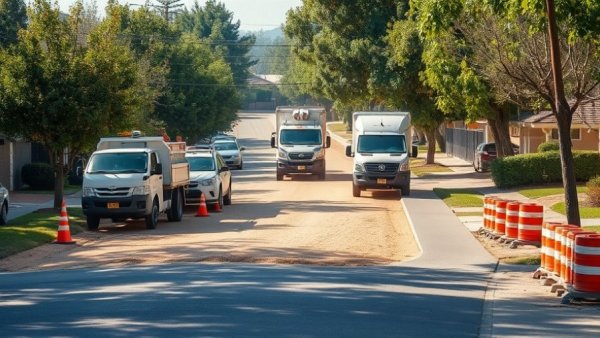
In the wake of Hurricane Lowell, the island of Kauaʻi is grappling with significant challenges as residents strive to regain stability. The hurricane's impact resulted in rampant unemployment, with claims skyrocketing nearly twenty-six fold in the weeks following the disaster. For many, the critical lifeline of Medicaid is now at risk due to the new work requirements established by the One Big Beautiful Bill Act, which mandates that many adult enrollees must work, volunteer, or attend school for a minimum of 80 hours each month. This requirement kicks in despite the challenges posed by recent natural disasters.
The Impact of Work Requirements on Vulnerable Populations
Older adults and retirees, who often face health challenges and financial instability, are particularly vulnerable when disasters strike. For citizens like Rochelle Ganotisi, who was recently laid off, the looming Medicaid work requirements may mean the difference between coverage and devastating out-of-pocket costs. With limited job opportunities in the wake of a disaster, enforcing these requirements without exemptions can exacerbate existing inequalities.
Long-Term Implications for Health Care Access
The situation brings forth critical implications for health care access not just in Hawaii, but nationwide. While some states are adopting hardship exemptions, others, such as Indiana, Missouri, Iowa, and Ohio, are not. This inconsistency may lead to confusion and increased coverage denial during already stressful times. Governor Josh Green has highlighted the urgency of problem-solving these concerns, indicating that 40,000 to 50,000 people may swiftly lose their Medicaid benefits without timely intervention. The importance of an effective response in protecting vulnerable populations cannot be overstated.
Future Perspectives on Medicaid Policy
As we consider the future of Medicaid policy and its impact on older adults and retirees, it's vital to advocate for policies that truly support the needs of our communities during crises. Understanding these complexities can empower seniors to navigate their health insurance options effectively, ensuring they are protected during times of need.


Write A Comment