
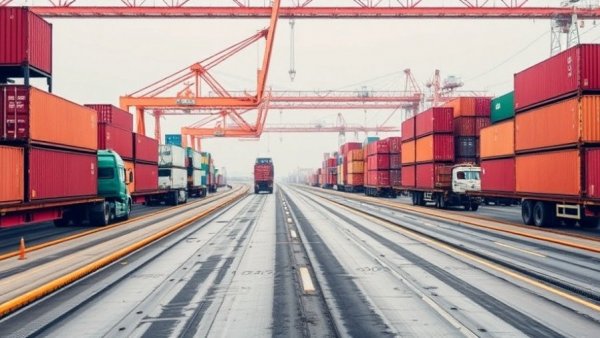
Understanding the Complications of Trade Tariffs
The ongoing discussions around trade tariffs, especially in the context of President Trump's policies, expose the complexities of global trade that may not be evident at first glance. While the intent behind tariffs is often to protect domestic industries and reduce reliance on countries like China, they inadvertently complicate the trade landscape. When analyzing tariffs, it’s crucial to understand the concept of value-added trade that encapsulates how components from various nations contribute to a single product.
Value-Added Trade Explained
Goods imported from China might possess parts made in multiple countries. For instance, the iPhone serves as a notable example; despite being assembled in China, its components originate from Taiwan, Japan, and even the United States. This means traditional trade statistics may underestimate or overestimate the true origin of goods, thus obscuring their economic impact.
Impact of Tariffs on Global Supply Chains
Currently, countries facing higher tariffs, such as China, see shifts in supply chains that can affect prices and availability of goods. For instance, since tariffs were put in place, some manufacturers have turned to countries like Vietnam and Mexico for lower production costs. This movement influences how goods are priced and how consumers perceive value, ultimately impacting retirees and their investments.
Market Reactions and Your Retirement Planning
The exacerbated complexities in global trade due to tariffs can lead to unpredictable market reactions, which might affect investment portfolios relied upon by retirees. It’s essential for those nearing retirement to consider how these global changes could impact their investments in stocks, bonds, or even real estate. A comprehensive understanding of taxes associated with these investments, including capital gains and income tax, becomes crucial in this intricate landscape.
Additionally, retirees should evaluate the role of Social Security benefits in light of the evolving economic environment created by trade policies. Understanding how tariffs can influence domestic job markets and economic growth may help you make informed decisions about your Social Security benefits, pensions, and other retirement accounts.
Conclusion: Stay Informed for Better Retirement Decisions
As trade policies continue to evolve, it’s vital for those who are preparing for or currently in retirement to stay informed about how these changes can affect their financial health. An informed approach will allow you to make strategic decisions regarding IRAs, required minimum distributions (RMDs), and tax-efficient withdrawals, ensuring that your retirement plan remains robust amidst potential market fluctuations.




Write A Comment